Meta restricts trading-related ads. We write and design to its financial and scam rules, track every ad to the challenge it sold, and decide each week what to stop and what to scale.
Meta's ad rules for trading checked on 10 Nov 2026. Sources below.
The Pride FundingOne giant numberGetCryptoFundedSeasonal saleXPIPSSplit offerGetCryptoFundedGiveaway
Before any ad goes liveChecked on every ad we write
Says the accounts are simulated
No income or “risk-free” promises
No CFD or forex trading claims
No “message us to buy”
Every claim matches your terms
Our ad work
Ads we have made for prop firms.
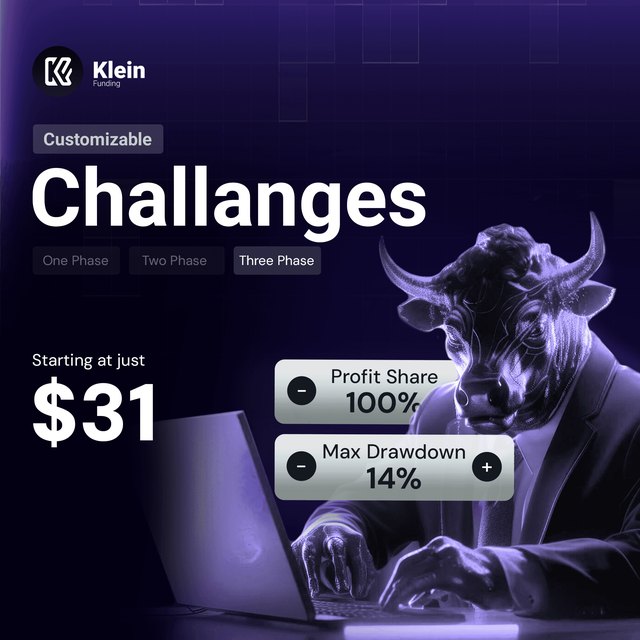
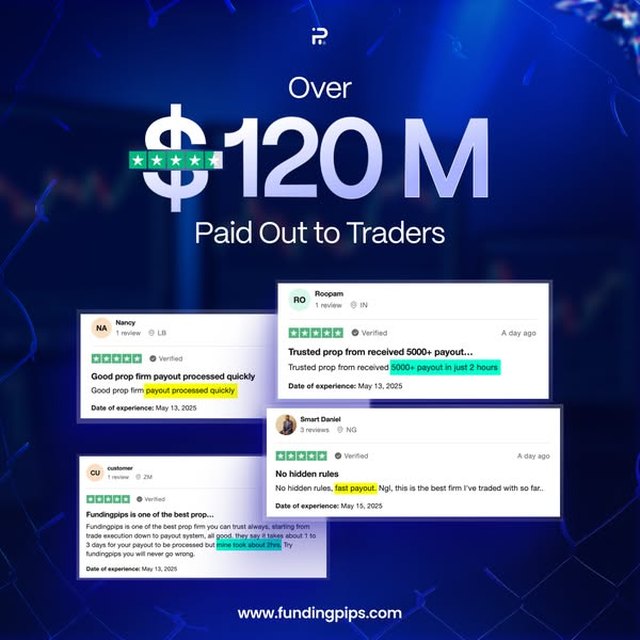
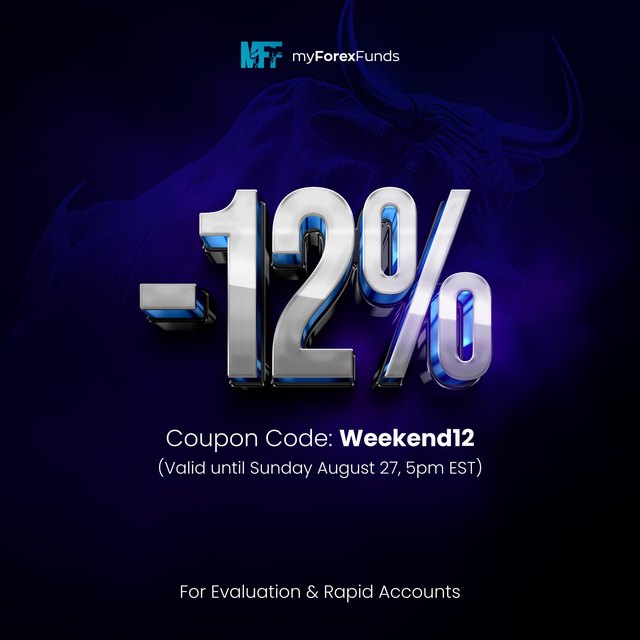
Real statics from our portfolio: launches, sales, giveaways and offers. Made for the feed, at the size Meta shows them.
The study
Before we write one, we read 2,507 ads.
In November 2026 we pulled the most-seen ads of 18 prop firms from Meta's Ad Library, live and past, and ranked them by what each firm kept paying for.
18
prop firms, 37 brand pages
Source
Meta Ad Library, all countries
When
9 November 2026, live and past ads
Ads
2,507, of them 1,587 static images
Ranked by
Time in rotation, impression rank and copies of the same image
Meta shows no spend or results for other firms' ads. Losing ads are usually switched off within days, so what a firm keeps running is the best signal of what sells.
8 patterns that keep running
Longest time one ad of each pattern stayed live, in days
Rule freedom“No time limits”486
One giant numberThe account size fills the frame257
Everyday-price comparison“$69 = dinner”213
Price ladderEvery size with its sale price178
Reward-speed promiseHow fast rewards are paid151
Phone-screen formatsA chat or an incoming call122
“Trade $X with $Y”Account size against the fee111
Pay later“Pass first, pay later”108
Meta Ad Library, 18 prop firms, scraped 9 Nov 2026
How it shapes the ads we make
01HooksWe start from the formats firms keep paying for, then rewrite each claim to fit your terms and Meta's rules.
02OffersThe price, the size or the code leads the frame, in a headline of two to six words.
03LookDark ground, one brand colour, one hero object, one button and a small line that says the trading is simulated.
04What we leave outAward badges and “paid to traders” totals need proof. Without it, we don't use them.
How we run it
How we run Meta for a prop firm.
Five jobs, done every week, from the wording of one ad to the report you read on Monday.
01
Wording that passes review
Simulated accounts, challenges and rewards, in the words your terms use. No income promises, no CFD or forex claims.
Risky“Get funded in 24 hours and earn $10,000 a month.”
What we write“Trade a simulated $100K account. Every rule on one page.”
Example copy
02
Creative
Statics, reels and briefs for creators, made in sets so there is always a new ad to test.
StaticNo time limit on any phase0:15ReelCreator briefHook in the first two secondsSay “simulated account”No income claimsCreator brief
03
Tracked to the challenge sold
Pixel in the browser plus server events from your checkout, so each sale is matched to the ad that brought it.
Ad clickPixel
Checkout startedPixel + server
Challenge sold · 2-Step $100KPixel + server
Example data
04
Weekly stop and scale
Every week we move budget from what loses to what sells.
No time limit · Reel$41 per saleScaling
$100K for $349 · Carousel$66 per saleTesting
Last day · Story$162 per saleStopped
Example data · sample firm “Your Firm”
05
Reports in challenges sold
The number you read first is what one sold challenge cost you.
Cost per challenge sold
$58
−61%from $148, same budget
Also in every reportChallenges soldSpendReturn on ad spendBest and worst ads
Example data · sample firm “Your Firm”
What you get
Statics, reels and creator briefs
Account structure and conversion tracking
Wording that fits Meta's rules: simulated accounts, no income promises
Weekly decisions on what to stop and what to scale
Reports in cost per challenge sold
Meta's rules
The rules prop firm ads run into.
As of 10 November 2026
None of Meta's policies names “prop firm”, “challenge” or “simulated”. Reviewers read trading words as financial promotion, so we write to the financial and scam rules.
Why it mattersIn April and May 2026 the trade press reported several prop firms losing Meta ad accounts, Instagram profiles and Facebook pages.
CFD tradingAds can't promote “Contract for Difference trading”.Sell the evaluation, never CFD or forex trading.
US investment adsAds aimed at the US can't promote “any investment products or opportunities” unless the advertiser is a licensed brokerage or adviser verified by Meta.Agree the countries with you before launch; check the US first.
Direct messagesUS investment ads can't suggest talking to the advertiser through “direct messaging services”.Ads go to your site, not to a DM.
Returns and rewardsNo “guaranteed or risk-free” returns and no “unrealistic financial reward for unclear or minimal effort”.No income promises. Rewards are described the way your terms describe them.
Past resultsNo offers “claiming or referencing successful past performance or returns to create an expectation of similar future results”.We don't use past results as a promise of future ones.
Licences“Advertisers may be required to be licensed in the country they are targeting.”Tell you when a market or an ad cannot run.
AccountsMeta “may disable accounts or restrict access”, for example for “deliberately misrepresenting your location”.Real business details on the account. We never hide who runs the ads.
We can look at why: the ads, the landing page and the account's history, and show you which of Meta's rules they touch. Whether an account comes back is Meta's decision, so we won't promise that. What we can do is make sure every new ad and page fits the rules before it runs.
Do you supply ad accounts?
We'll talk about accounts on the call: whose account the ads run in, who owns it and who has access. We put that in writing before anything runs.
Can you promise our ads won't be rejected?
No one can. We write to Meta's rules and keep every claim to what your terms say, and when an ad is rejected we know which rule it touched and what to change.
Do you make the creative too?
Yes: statics, reels and briefs for creators, written from your rules and your offer. You approve every ad before it runs.
Can we advertise to traders in the US?
Meta's rules for investment ads aimed at the US are stricter than elsewhere (see the table above). We look at your offer, your terms and your markets before we pick countries.
What do you report, and how often?
Every week: challenges sold, cost per challenge sold and spend, ad by ad. Clicks and likes are in there too, but decisions are made on sales.